Renewable energy in Australia: the challenge of integrating a changing energy system
Australia is accelerating its energy transition through solar, wind, batteries and new grids. The next challenge will be integrating these technologies into a reliable and flexible system.
The renewable energy market in Australia is undergoing a profound transformation. Solar and wind resources, the growth of energy storage and increasing electricity demand are changing the way energy is produced, managed and used.
To achieve the targets set for 2030, adding new renewable capacity alone will not be enough. Australia will need to develop grids, energy storage systems and operational capabilities capable of managing increasingly complex assets. Solarig has been operating in Australia since 2018 and currently manages more than 2 GW of renewable assets in operation and maintenance across five states.
Australia has extraordinary renewable potential. The pace of the transition will now depend on the ability to integrate generation, storage, grids and operational management into a single energy system.
- 01. A rapidly growing renewable energy market
- 02. Where Australia stands in its energy transition
- 03. The role of batteries and energy storage
- 04. The challenges facing the Australian market
- 05. Solarig in Australia
- 06. Australia enters the next phase of its energy transition
A rapidly growing renewable energy market
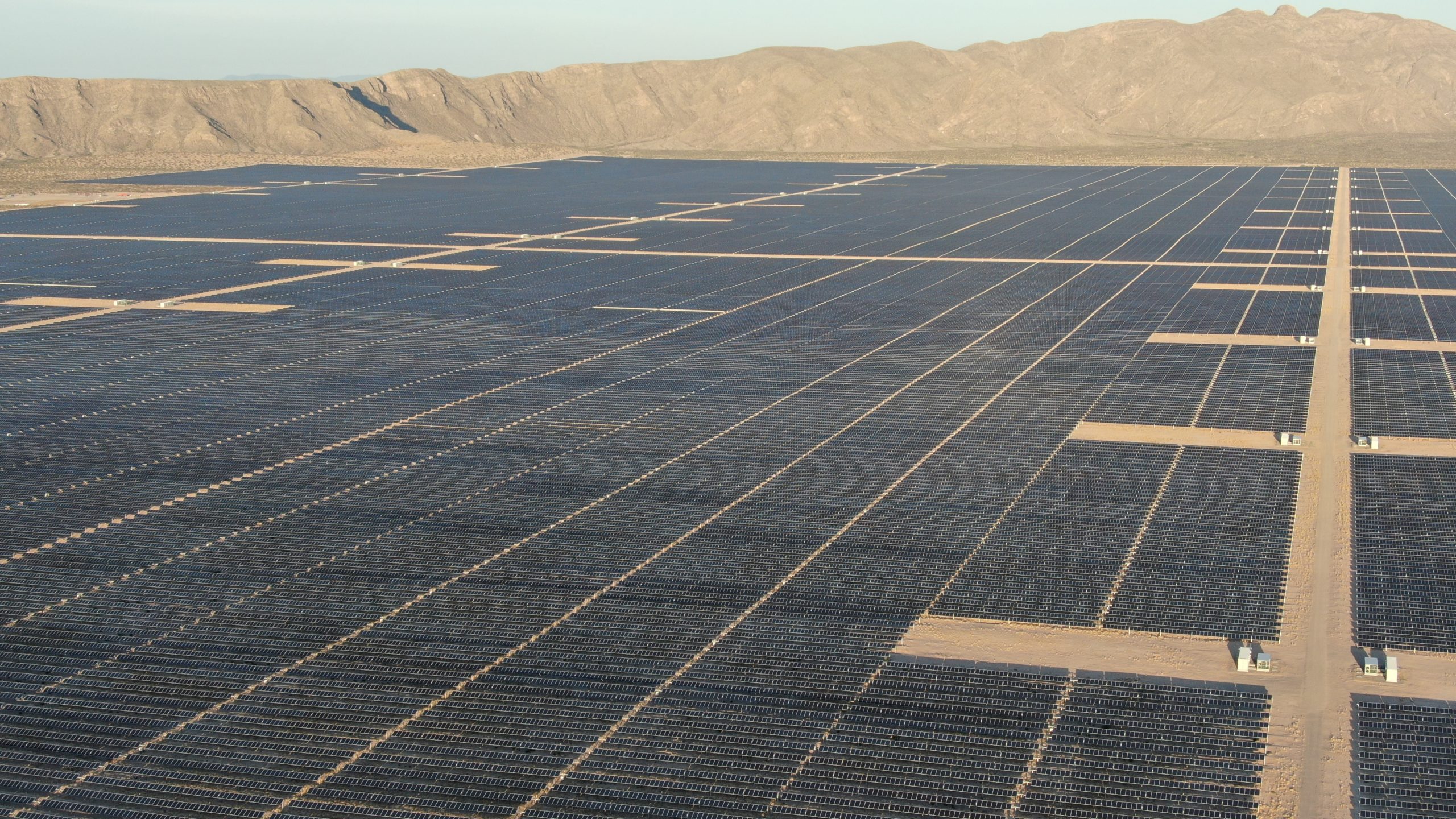
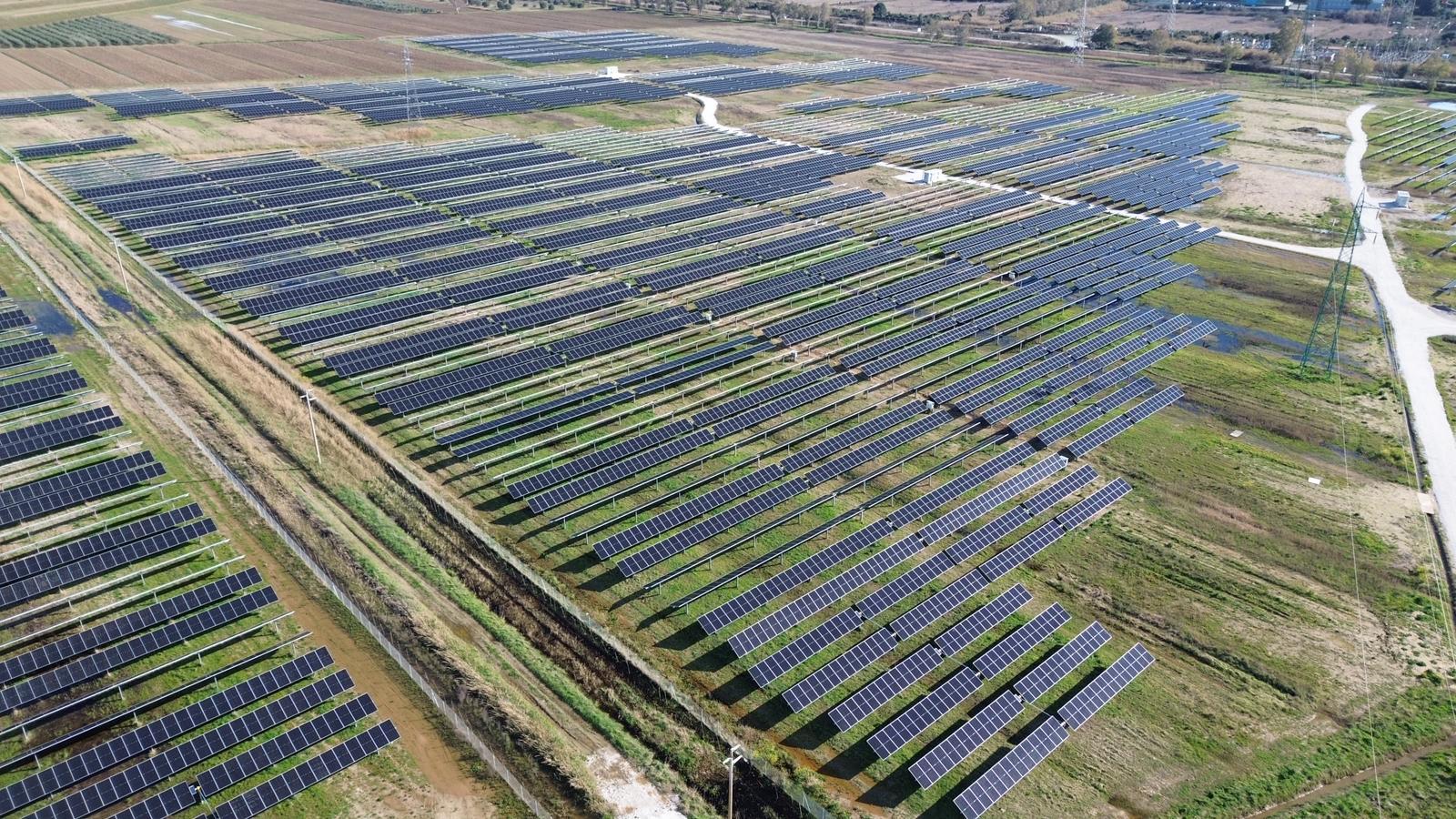
Australia is one of the most interesting markets for renewable energy development. Its abundant solar radiation, wind resources and large areas of available land have supported the growth of both distributed solar photovoltaic generation and large-scale utility projects.
The transition is also being driven by increasing electricity demand, linked to the electrification of consumption, industrial expansion, mining activity, hydrogen production and the development of data centres.
The Australian market in figures
The latest data shows the speed at which Australia's electricity system is changing.
Renewable share of generation in the National Electricity Market during the first quarter of 2026.
New battery capacity added to the NEM in the previous twelve months.
Australia's renewable electricity target for 2030.
Where Australia stands in its energy transition
During the first quarter of 2026, renewable energy accounted for 46.5% of electricity generation in the National Electricity Market, the highest share recorded for a first quarter. In Western Australia, the renewable share reached 46.1%.
During the same period, coal generation reached its lowest level recorded to date for a first quarter, while gas generation recorded its lowest quarterly average since 1999. The direction of change is clear: the contribution of solar, wind and energy storage continues to grow.
Reaching the 82% renewable electricity target by 2030 will nevertheless require significant acceleration. Installed capacity alone is not enough to guarantee system security: the energy produced must be transported, stored and used when it is needed.
From planning to integration.
AEMO's planning highlights the need to combine new generation facilities, batteries, transmission infrastructure and control systems capable of connecting areas with the greatest renewable potential to the main centres of electricity demand.
Batteries and energy storage: the new balance of the electricity market
During the middle of the day, solar generation can exceed local demand. Energy storage allows this electricity to be absorbed and returned later, particularly during the afternoon and evening, when demand increases and solar generation falls.
During the first quarter of 2026, batteries in the NEM more than tripled the amount of energy shifted from daytime to afternoon and evening periods, reaching 1,115 MW during the demand peak. During the same quarter, batteries determined the price in approximately 32% of market intervals.
When a photovoltaic plant and a BESS share a grid connection point, plant controllers, SCADA systems or high-voltage infrastructure, a problem affecting one component can impact the performance of the project as a whole. Asset management must therefore consider the system as an integrated whole.
The challenges facing renewable energy development in Australia
Australia's energy transition has strong foundations, but it still faces several challenges.
Grids and connections
Areas with the greatest solar and wind potential are often far from the main centres of electricity demand. New transmission lines and more efficient grid connections will be essential to prevent congestion and integrate new capacity.
Permitting and investment timelines
The path from planning to construction can be long and complex. Permitting, grid connections, construction costs and pressure on the supply chain require greater predictability to support investment.
Community acceptance
The development of large-scale facilities and transmission infrastructure requires greater involvement from local communities. Benefit sharing, dialogue and transparency will become increasingly important.
Asset management
The expansion of hybrid and multi-technology installations is increasing operational complexity. Monitoring, performance, safety, regulatory compliance and incident response must be coordinated throughout the entire asset lifecycle.
The next phase of the transition will depend on the ability to integrate generation, storage, grids and operational capabilities into a single system.
Solarig in Australia: integrated capabilities for complex assets
Solarig has been operating in Australia since 2018 and currently manages more than 2 GW of renewable assets in operation and maintenance across South Australia, Western Australia, New South Wales, Victoria and Queensland.
According to Wood Mackenzie's Global Solar PV O&M Service Provider Dynamics 2026 report, Solarig ranks fourth globally in the photovoltaic O&M sector and is the leading photovoltaic O&M service provider in Australia.
The company is expanding its activity into BESS, wind energy and high-voltage services. This evolution responds to the transformation of the Australian market, where solar power, energy storage, wind power and high-voltage infrastructure are increasingly being developed and managed as parts of a single system.
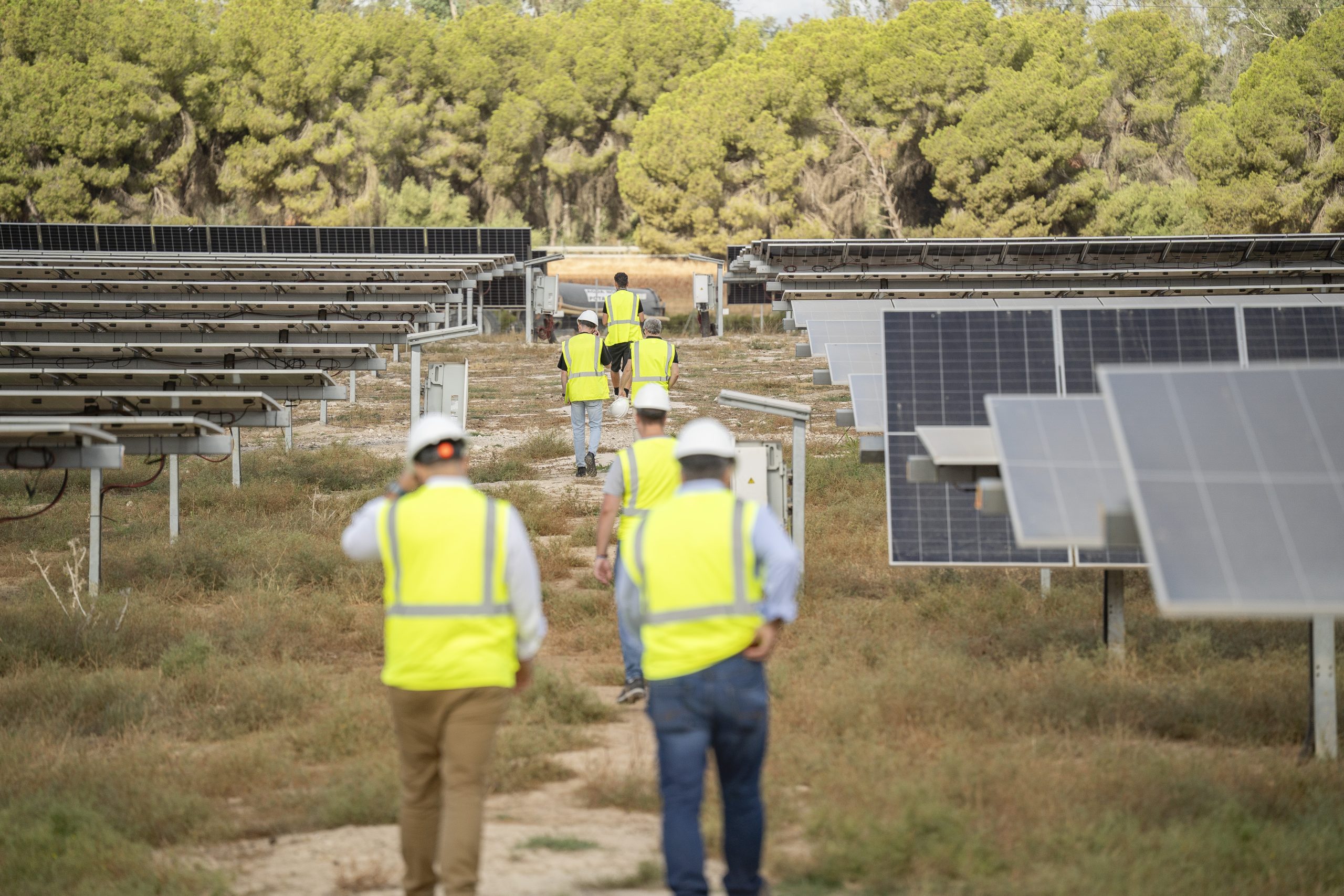
The Australian platform combines a 24/7 Operations Control Centre with service centres and local teams across the different states. Centralised monitoring provides continuous visibility of asset performance, while local presence on the ground enables rapid intervention when physical action is required.
“Australia is a geographically vast country and local capabilities are essential,” says Mariano Martínez Larcuen, Asia-Pacific Energy Services Director at Solarig. “You can have advanced monitoring and control systems, but when physical intervention is required on an asset, you need people who can mobilise quickly and have the right technical skills.”
Australia enters the next phase of its energy transition
Australia has the natural resources and industrial scale needed to play a central role in the global energy transition.
The real challenge will be turning this potential into a system capable of providing renewable energy in a stable, flexible and reliable way. This will require the integration of generation, storage, grids and operational capabilities.
This is the space between the development of new capacity and the daily management of increasingly complex systems where Solarig aims to continue contributing: through an established local presence, international experience and integrated capabilities covering photovoltaic energy, batteries, wind energy and high-voltage infrastructure.
Frequently asked questions about renewable energy in Australia
What share of Australia's electricity comes from renewable energy?
During the first quarter of 2026, renewable energy accounted for 46.5% of electricity generation in the National Electricity Market.
What is Australia's renewable energy target for 2030?
Australia's national target is to reach an 82% share of renewable electricity by 2030.
Why are batteries important for Australia's energy transition?
Batteries can store electricity generated during periods of high solar output and make it available later, particularly when demand increases and solar generation falls. This can contribute to greater flexibility in the electricity system.
What are the main challenges facing Australia's renewable energy market?
Key challenges include grid development and connections, permitting and investment timelines, community engagement and the management of increasingly complex multi-technology assets.
What does Solarig do in Australia?
Solarig has operated in Australia since 2018 and manages more than 2 GW of renewable assets in O&M. Its activity includes photovoltaic energy and is expanding into batteries, wind energy and high-voltage infrastructure.
Sources and references
The data and information included in this article have been cross-checked against institutional sources and industry reports.
- Australian Energy Market Operator (AEMO). Quarterly Energy Dynamics – Q1 2026. View source
- Australian Energy Market Operator (AEMO). Integrated System Plan. View source
- Australian Government. Australian Energy Statistics. View source
- Clean Energy Council. Clean Energy Australia 2026. View source
- Wood Mackenzie. Global Solar PV O&M Service Provider Dynamics 2026.
Solarig contributes to Australia's energy transition through local capabilities, international experience and integrated services for increasingly complex renewable energy assets.