
Electricity transmission grids: what they are, how they work and why they are key
The electricity generated by a renewable energy plant must travel through a complex network of lines, substations and electrical equipment before reaching the places where it is consumed. This is how the transmission grid works and the role played by high voltage.
How can electricity travel hundreds of kilometres? Why is high voltage used? What is the difference between transmission and distribution? And what role do electricity grids play in integrating new renewable energy generation?
What is an electricity transmission grid?
The electricity transmission grid is the infrastructure that enables large amounts of electricity to be transmitted over long distances and connects the main generation centres with other system nodes and major demand centres.
It is not a single line between two locations. It is an interconnected network made up of electricity lines, substations, transformers, and protection, control and communication systems that work together.
In Spain, the transmission grid operates mainly at 400 kV and 220 kV on the mainland. Other voltage levels are also used in the non-mainland systems. Overall, the grid comprises more than 46.000 kilometres of circuits and more than 700 substations.
Why is high voltage used to transmit electricity?
When electricity is transmitted over long distances, one of the objectives is to do so with the lowest possible losses. For a given power, increasing the voltage allows the current flowing through the conductors to be reduced.
This is important because electrical losses associated with conductor resistance depend on the current. Reducing the current also reduces these losses.
This is why the voltage can be increased before electricity travels long distances and then transformed again to suit the next stages of the system.
Higher voltage means lower current when transmitting the same amount of power
A transformer increases the voltage to prepare the electricity for its journey through the grid.
To transmit the same amount of power, a higher voltage allows a lower current to be used.
A lower current reduces losses associated with the electrical resistance of the lines.
The grid uses transformers to adapt the voltage to the different stages of the journey.
What is the difference between low, high and very high voltage?
Voltage is not always the same throughout the electricity system. It is transformed according to the stage of the journey and the needs of the grid.
In Spain, lines with a nominal voltage above 1 kV are considered high-voltage lines from a regulatory perspective. This category includes different levels and classifications.
Low voltage
It is found in installations close to points of consumption and in many end uses of electricity.
High voltage
It includes different voltage levels used both in certain distribution networks and in transmission infrastructure.
Transmission levels
These are two particularly relevant voltage levels in the Spanish transmission grid. The term “very high voltage” is commonly used to refer to these high levels, although it is not a separate legal category.
Spanish regulations classify high-voltage lines into categories according to their nominal voltage. You can find the details in the Regulation on high-voltage electrical lines published in the Official State Gazette (BOE) .
High voltage and the transmission grid are not the same thing
High voltage describes an electrical characteristic: the voltage level. Transmission, on the other hand, describes the function performed by part of the grid. Therefore, not every high-voltage installation necessarily belongs to the transmission grid.
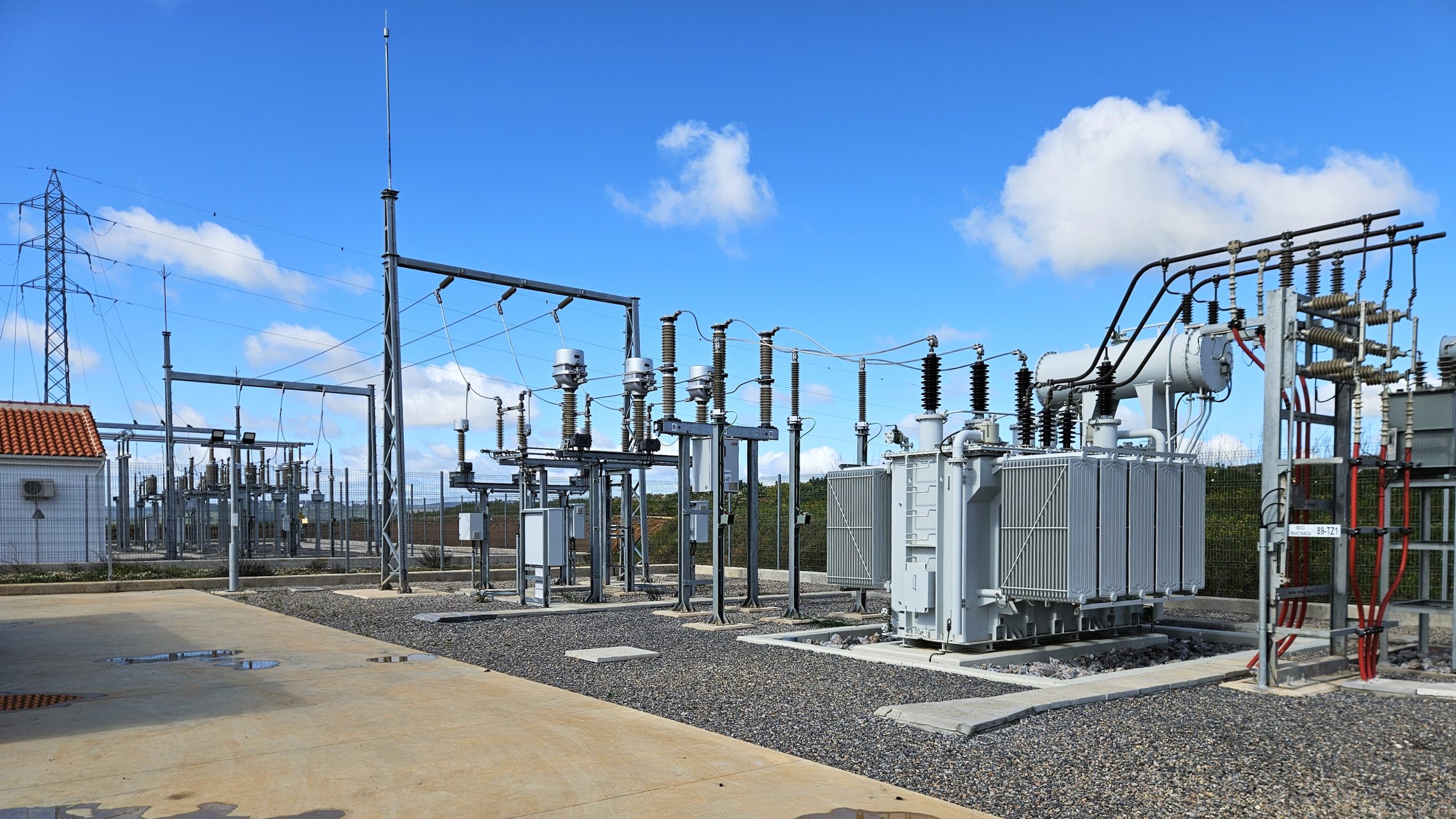
What role do electrical substations play?
Lines allow electricity to be transmitted, but the grid needs points where that energy can be transformed, connected, protected and managed.
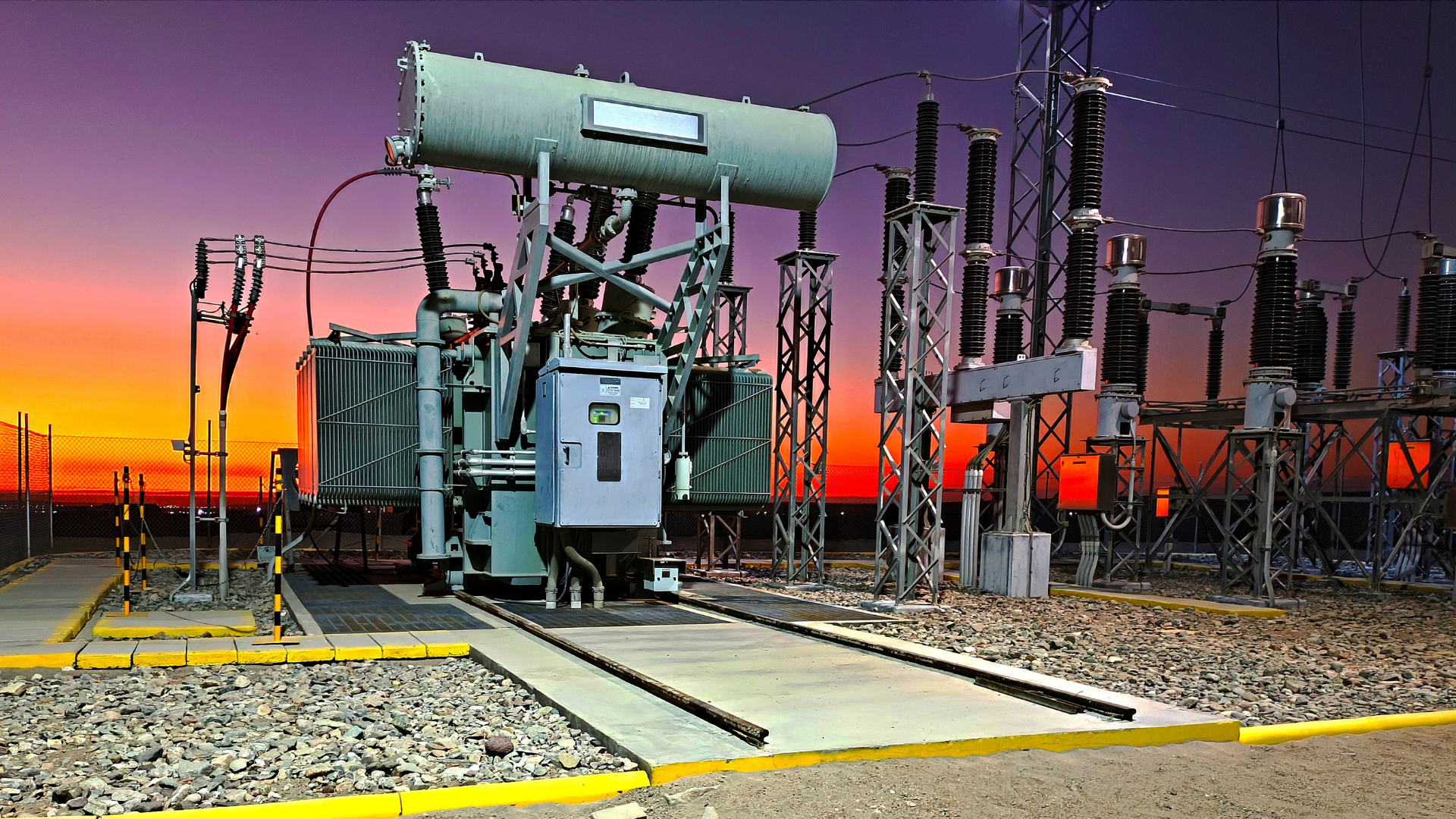
This is one of the main roles of electrical substations. Transformers allow voltage levels to be changed, while other equipment controls electricity flows, protects installations and enables the grid to be operated safely.
A substation can therefore be understood as a true node in the electricity grid: a point where different lines meet and from which electricity can continue its journey to other parts of the system.
How does electricity move through a transmission grid?
A transmission grid does not work like a road with a single origin and destination. It is an interconnected system with numerous points of entry, exit and connection.
Generation and demand change continuously. The grid therefore has to manage how electricity flows between its different nodes at every moment and maintain appropriate safety and quality conditions.
This interconnection means that electricity generated in one location can help meet demand located far away, and that the system can adapt to changes in generation, consumption or the condition of its installations.
What is the difference between transmission and distribution?
Both form part of the electricity system, but they perform different functions in the journey of electricity.
Connects the main nodes
Transmits large amounts of electricity over long distances and connects generation centres, major demand centres, grid nodes and interconnections.
Brings electricity closer to consumers
Carries electricity from the grid to the different places where it is used: homes, businesses, industry, services and other consumers.
A simple way of looking at it: transmission connects the main nodes of the system, while distribution brings electricity closer to the points where it is ultimately consumed.
Why are grids so important for integrating renewable energy?
The energy transition is changing not only the amount of renewable electricity generated, but also where it is produced.
The growth of solar photovoltaic and wind power is adding new generation centres across different regions.
This creates a fundamental challenge: generating renewable electricity is not enough; it must also be possible to transmit it to where demand exists.
That is why electricity lines, substations and grid connection facilities are essential for integrating new generation into the electricity system.
More renewable generation also requires a grid ready to integrate it
As renewable generation and electrification increase, electricity grids must evolve to accommodate new capacity and transmit electricity safely and efficiently to where demand exists.
Infrastructure that makes the electricity system possible
A pylon, a substation or a high-voltage line are only the most visible parts of a much larger system.
For electricity to travel from where it is generated to where it is needed, it relies on lines, transformers, substations, protection and control systems, and a great deal of engineering and specialised knowledge.
As renewable generation grows and the electrification of the economy progresses, electricity grids are becoming increasingly important for integrating new generation and connecting energy with the places where it is needed.
Frequently asked questions about transmission grids and high voltage
What is an electricity transmission grid?
It is the part of the electricity system that allows large amounts of electricity to be transmitted over long distances and connects the main generation centres, major demand centres and other grid nodes.
Why is electricity transmitted at high voltage?
Because, for a given power, increasing the voltage allows the current flowing through the conductors to be reduced and lowers the losses associated with their resistance.
Do high voltage and the transmission grid mean the same thing?
No. High voltage describes the electrical voltage level, while transmission describes the function performed by part of the grid. Therefore, not every high-voltage installation necessarily belongs to the transmission grid.
What is the difference between the transmission grid and the distribution grid?
The transmission grid connects the main centres and nodes of the system and allows large amounts of electricity to be transmitted over long distances. The distribution grid brings that electricity closer to the points where it is ultimately consumed.