
Renewable Energy and Climate Change: How Can Renewables Help Tackle Global Warming?
Discover how renewable energy helps combat climate change, reduce CO₂ emissions and accelerate the energy transition.
Renewable energy is essential to tackling climate change because it is part of a transformation in how we produce, distribute and consume energy. Its development, alongside other energy solutions such as biomethane, is key to moving towards a decarbonised economy.
Every 24 October, International Day of Climate Action reminds us of the urgency of taking action. Although the effects of climate change are becoming increasingly visible, we also have the technologies and knowledge needed to help address its causes.
Why is renewable energy essential to tackling climate change?
The main cause of global warming is the accumulation of greenhouse gases in the atmosphere, particularly carbon dioxide (CO₂) released by burning fossil fuels. For decades, coal, oil and natural gas have played a central role in the world's energy supply. Gradually replacing these sources with low-emission alternatives is essential to limiting global warming.
This is where renewable energy plays a leading role. Solar photovoltaic and wind power generate electricity without combustion and therefore without direct CO₂ emissions during operation.
Combined with batteries and other energy storage solutions, these technologies help address one of the greatest challenges of the energy transition: not only generating clean electricity, but also ensuring it is available when needed.
Renewable energy and storage therefore complement each other, supporting a more flexible and reliable electricity supply with fewer emissions while progressively reducing our dependence on fossil fuels.
According to the Intergovernmental Panel on Climate Change (IPCC), deploying renewable energy is one of the main options for reducing emissions from the energy system. However, its contribution goes beyond electricity generation: renewables can also help reduce emissions in other sectors of the economy.
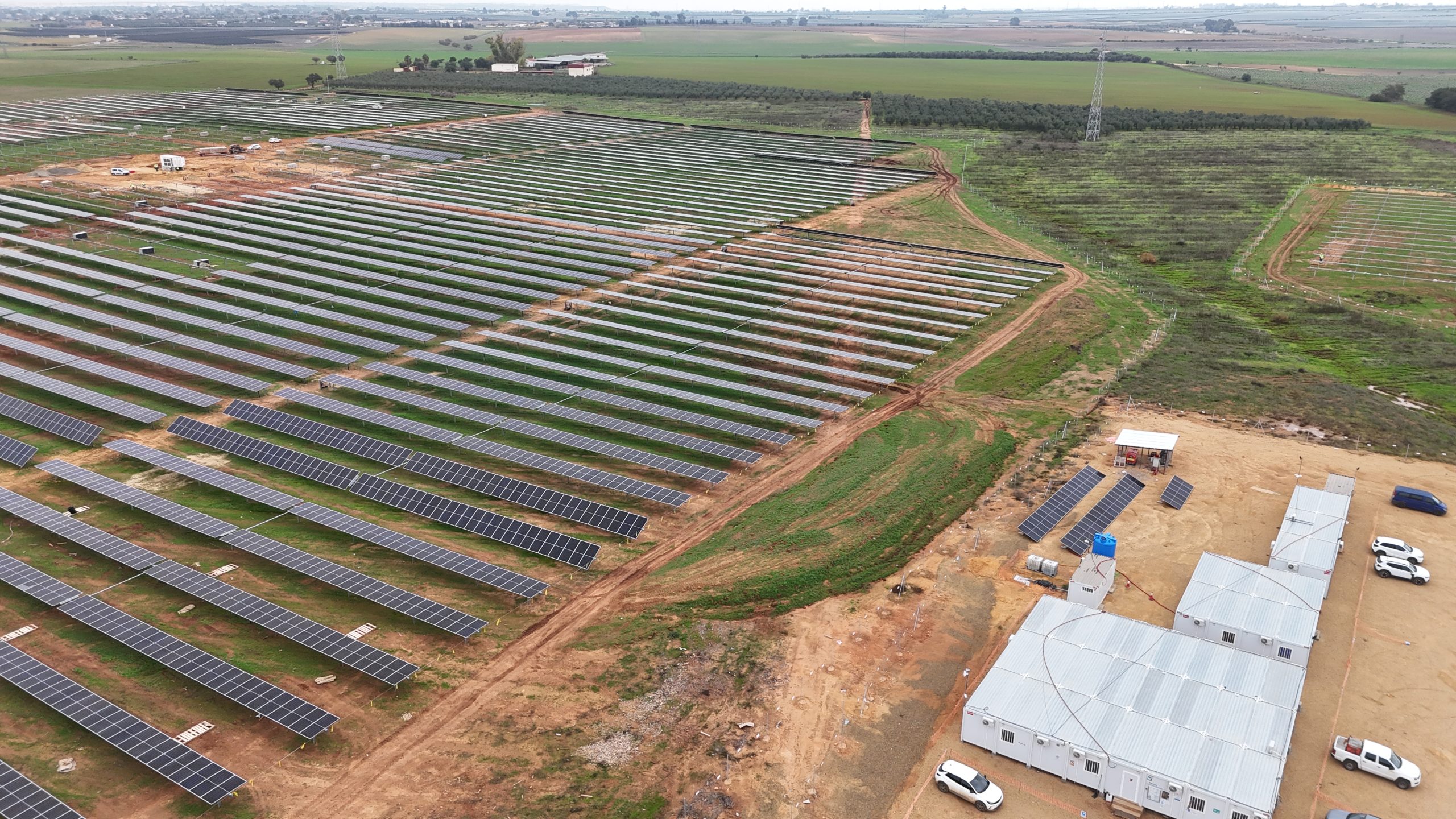
An energy system undergoing transformation
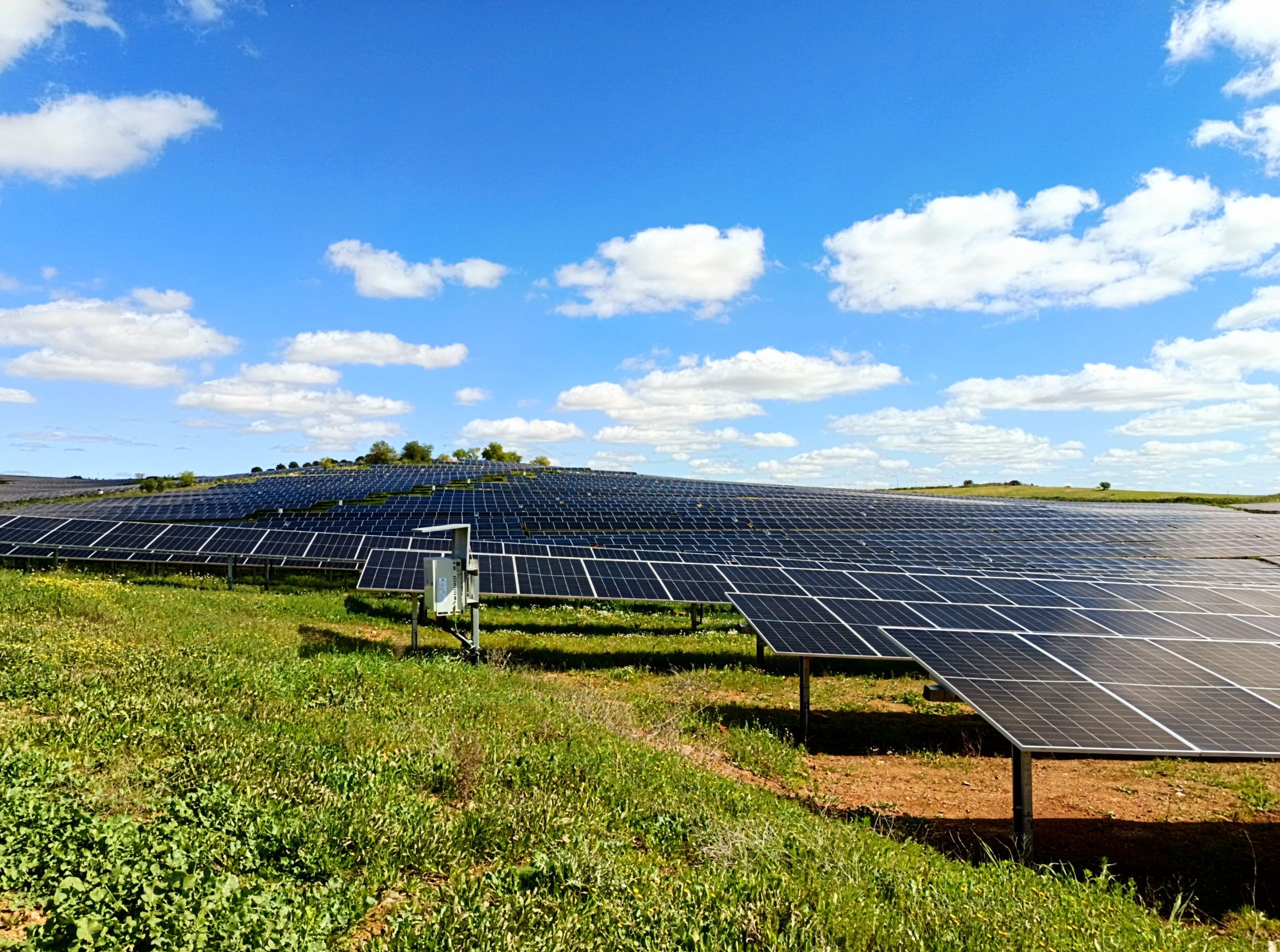
Renewable generation
Low-emission electricity generated using technologies such as solar photovoltaic and wind power.
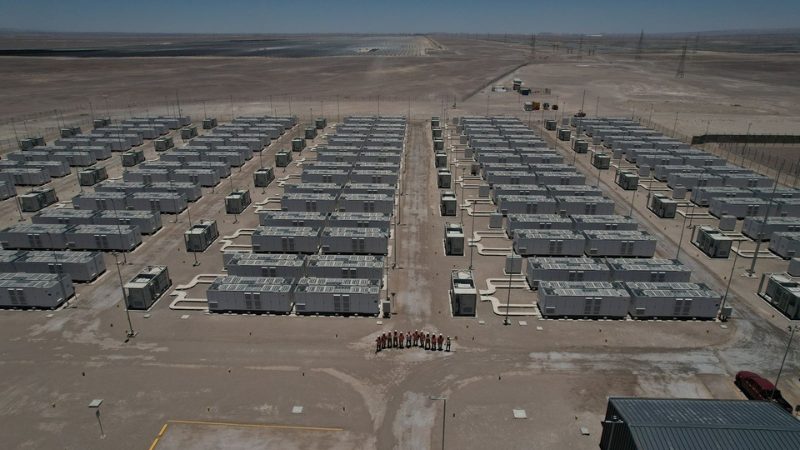
Energy storage
Solutions that make it possible to use renewable electricity when it is needed.
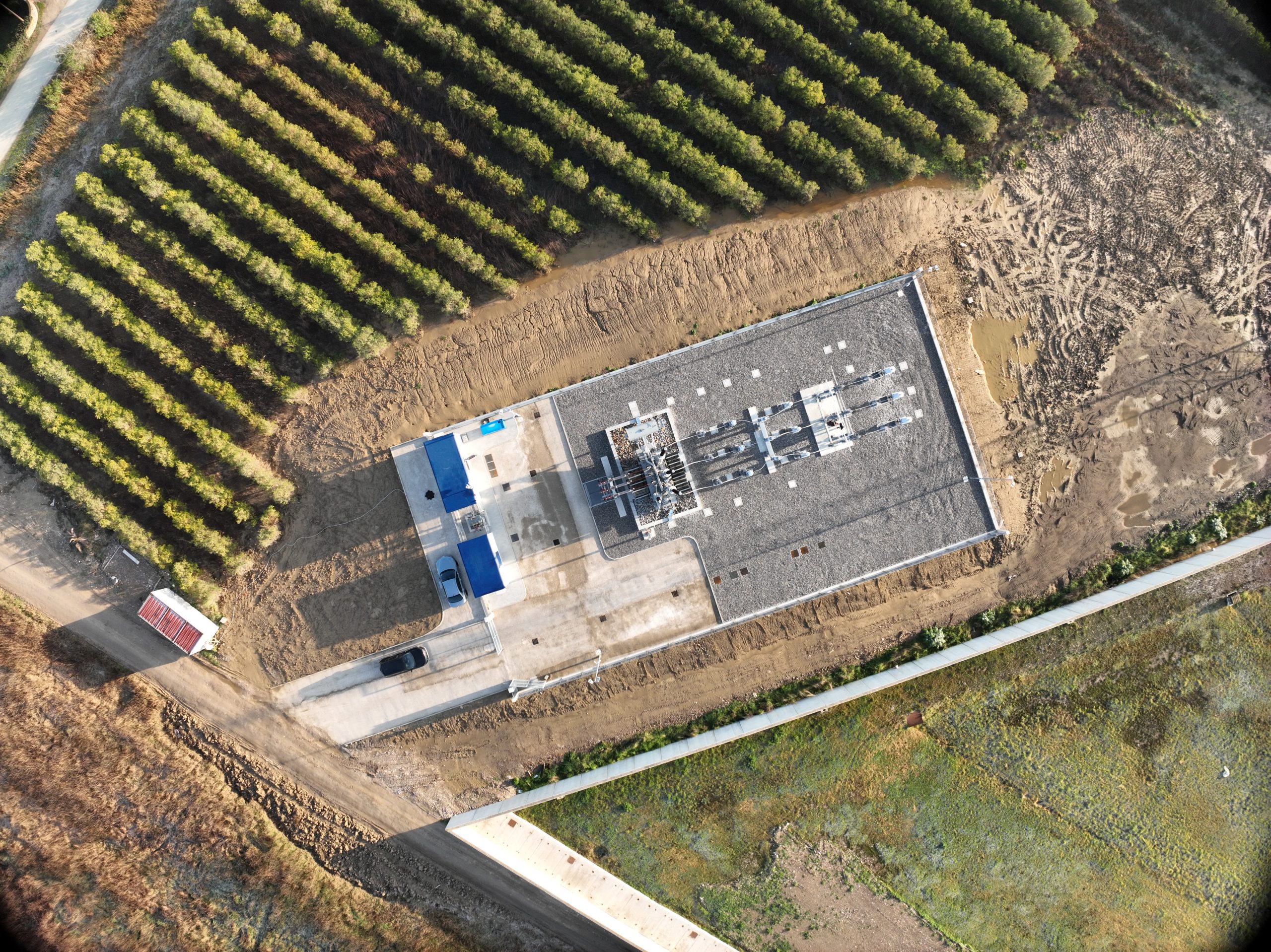
Electrification
Using renewable electricity to progressively replace fossil fuels.

Lower emissions
Progressively reducing emissions associated with the energy system.
How does renewable energy help reduce CO₂ emissions?
The climate impact of renewable energy can be understood through three main mechanisms:
Replacing fossil fuels
When renewable electricity displaces power generated from fossil fuels, emissions associated with electricity production are reduced. The extent of this reduction depends, among other factors, on the type of generation being replaced and the characteristics of the electricity system.
Electrifying other sectors
Renewable electricity supports the decarbonisation of activities that traditionally rely on fossil fuels. Electric transport, heat pumps and certain industrial processes can benefit from an increasingly renewable electricity supply to reduce their carbon footprint. Where electrification is more difficult, renewable gases such as biomethane can replace fossil natural gas. Produced from agricultural and livestock waste, its climate benefits depend on the feedstock used and on operations that minimise methane leakage.
Low lifecycle emissions
Solar and wind installations generate electricity for decades. Although their manufacturing, construction and maintenance require energy and resources, their total lifecycle emissions are considerably lower than those of fossil fuel technologies.
The climate contribution of renewable energy must be assessed by considering both the emissions associated with developing these technologies and the electricity they generate throughout their operational lifetime.
What role does renewable energy play in achieving climate targets?
Expanding renewable energy is an essential part of making progress towards global emissions reduction targets.
The Paris Agreement aims to hold the increase in global average temperature to well below 2°C above pre-industrial levels, while pursuing efforts to limit the increase to 1.5°C.
Achieving these goals requires a profound transformation of the energy system, in which renewable generation, energy efficiency, electrification and the flexibility provided by energy storage all play a fundamental role.
At Solarig, we contribute to this transformation by developing multi-energy solutions and implementing a climate strategy that includes science-based emissions reduction targets validated by the Science Based Targets initiative (SBTi).
Our approach combines accelerating the energy transition with progressively decarbonising our own operations and value chain.
An energy future with fewer emissions
The connection between renewable energy and climate change is clear: moving towards low-emission energy sources allows us to address one of the main causes of global warming.
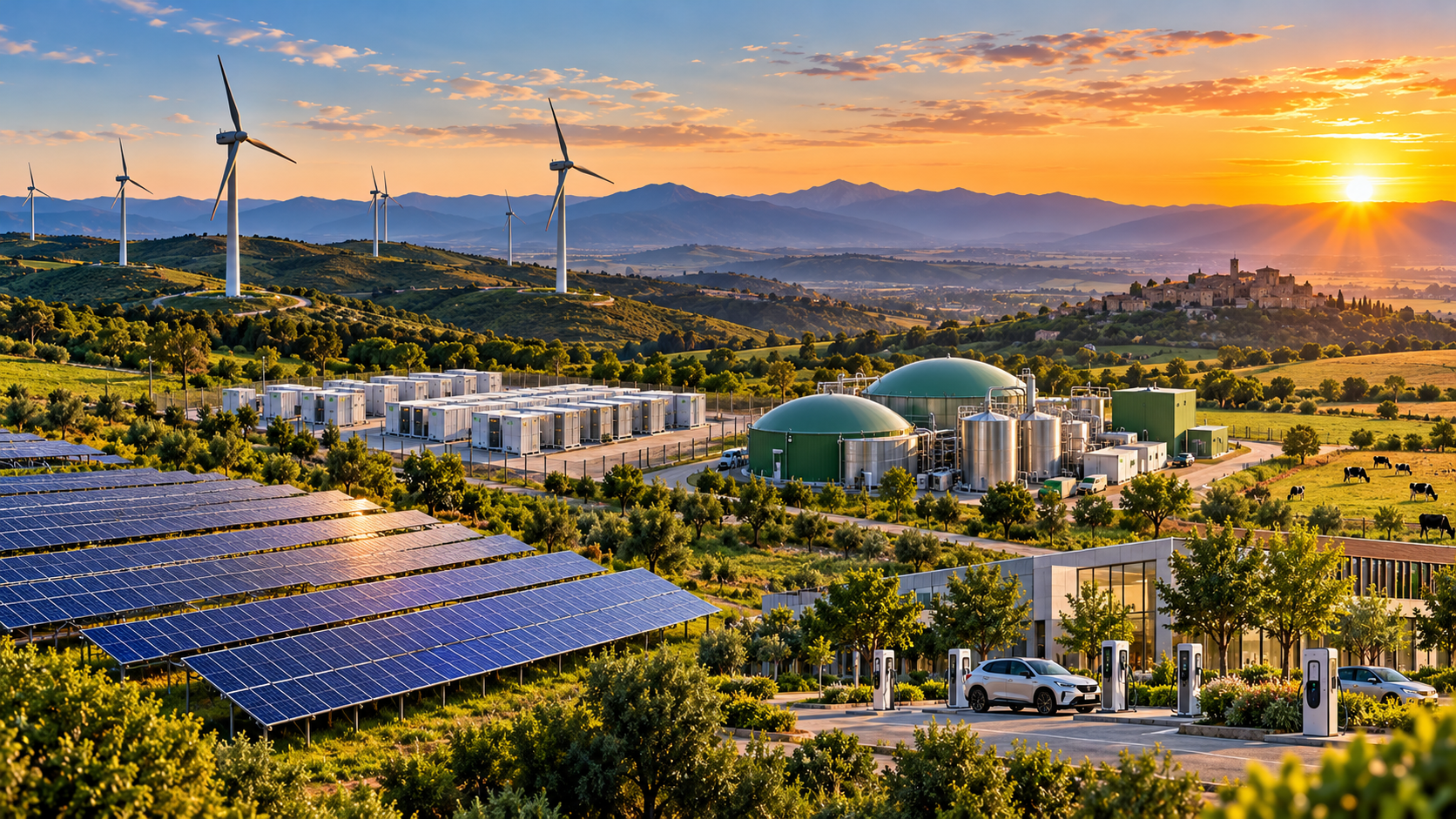
But the true potential of renewable energy goes far beyond electricity generation. Renewables are driving a broader transformation that connects technologies, economic sectors and new ways of using energy. At the same time, they create opportunities to develop a more balanced relationship with nature, protect ecosystems and generate value for local communities.
Promoting renewable energy means promoting a more sustainable, competitive and future-ready energy system.
Climate change mitigation and adaptation: two complementary challenges
Although they are often discussed together, climate change mitigation and adaptation are not the same thing.
Mitigation
Mitigation means addressing the causes of global warming, primarily by reducing greenhouse gas emissions.
Adaptation
Adaptation aims to reduce our vulnerability to the consequences of climate change, including heatwaves, droughts, floods and other climate-related risks.
Renewable energy contributes primarily to climate change mitigation. However, energy infrastructure itself must also adapt to a changing climate through more resilient designs, risk assessments and operating systems prepared for extreme weather events.
The energy transition must therefore move forward in two complementary directions: accelerating decarbonisation and anticipating the risks of a changing climate.
You may also be interested in


Frequently Asked Questions About Renewable Energy and Climate Change
How does renewable energy help tackle climate change?
Primarily by reducing greenhouse gas emissions associated with electricity generation and enabling the electrification of activities that currently rely on fossil fuels.
Which renewable energy technologies help reduce CO₂ emissions?
Technologies such as solar photovoltaic and wind power generate electricity with low lifecycle carbon emissions. In applications that are difficult to electrify, renewable gases such as biomethane can replace fossil natural gas.
What is the relationship between renewable energy and decarbonisation?
Renewable energy facilitates the replacement of fossil fuels and supports the transition towards a lower-emission energy system, particularly when combined with electrification, energy storage and energy efficiency.