
MW, MWp, MWh and GW: understanding power and energy units in renewables
A practical guide to renewable energy power and energy units, from MW and MWp to MWh, GW, BESS storage and biomethane production.
Renewable energy power and energy units appear constantly in solar, wind and energy storage projects. MW, MWp, MWh, GW, MWac, MWdc and Nm³ may look similar, but each describes a different quantity. Understanding them makes it easier to interpret an installation's power, the energy it produces or stores, and the production capacity of a biomethane plant.
The key takeaway: MW and GW measure power; MWh, GWh and TWh measure energy; MWp represents the nominal peak power of photovoltaic modules; a BESS is characterised using both MW and MWh; and biomethane can be expressed in Nm³, Nm³/h or energy units such as MWh and GWh. These are some of the main renewable energy power and energy units used when assessing an energy project.
- 01. Power and energy: the key difference
- 02. What is MWp and what does nominal peak power mean?
- 03. MWdc and MWac: different power ratings in a solar plant
- 04. How is a BESS measured?
- 05. How is biomethane measured?
- 06. Units at a glance
Power and energy: the key difference
In any energy system, power describes the instantaneous capacity of an installation or piece of equipment to generate, consume, charge or discharge energy. It is expressed in watts (W) and, for large-scale assets, mainly in MW or GW.
Energy, by contrast, represents an amount accumulated over time and is expressed in Wh, kWh, MWh, GWh or TWh. A plant can therefore have an installed capacity of 100 MW and annual generation of hundreds of GWh: the two figures measure different quantities.
This distinction is fundamental to interpreting renewable energy power and energy units correctly.
This distinction also helps explain how solar photovoltaic installations are sized and how their installed power relates to their actual generation.
What is MWp and what does nominal peak power mean?
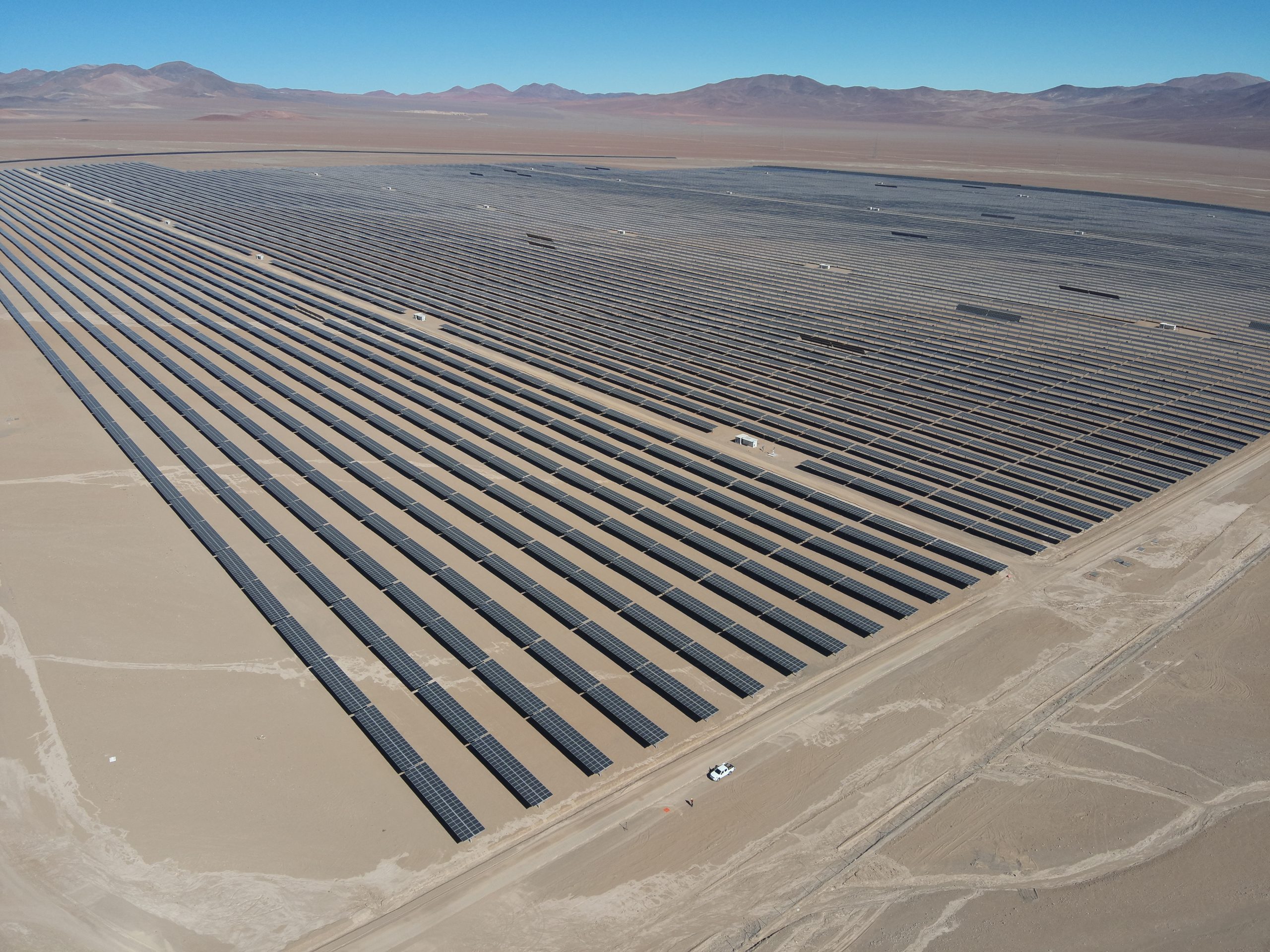
MWp stands for megawatt-peak and is mainly used to express the nominal power of photovoltaic modules. Nominal peak power is the power a module can deliver under standardised test conditions, rather than the power it will continuously deliver during real-world operation.
Standard Test Conditions (STC) include, among other parameters, irradiance of 1,000 W/m² and a cell temperature of 25°C. A 100 MWp solar plant therefore has photovoltaic modules with a combined nominal peak power of 100 MWp under these reference conditions.
Actual power varies with irradiance, temperature, losses, equipment availability and other operating conditions. This is why 100 MWp does not mean continuous generation of 100 MW.
The US National Renewable Energy Laboratory (NREL) provides further technical information on photovoltaic module performance and standard reference conditions.
Four units that should not be confused
A quick way to understand renewable energy power and energy units is to identify the quantity represented by each figure.
MW
Power. Indicates the instantaneous capacity of an installation or piece of equipment.
MWp
Nominal peak power of a photovoltaic array under reference conditions.
MWh
Energy. Represents an amount generated, consumed, stored or delivered.
GW
Power equivalent to 1,000 MW, commonly used for large projects and portfolios.
MWdc and MWac: different power ratings in a solar plant
A photovoltaic plant can have several power ratings because not every component operates at the same point in the system. MWdc expresses power on the direct-current side, associated with the modules. MWac expresses alternating-current power and is commonly used for inverter capacity or AC output.
For example, a plant may have 120 MWp of modules and 100 MWac of inverter capacity. There is no contradiction: the photovoltaic array can be oversized relative to AC capacity to improve inverter utilisation over a greater number of hours.
One plant can have several different, valid figures
120 MWp of modules · 120 MWdc on the DC side · 100 MWac of inverter capacity · 190 GWh/year of generation. The key is understanding what each figure measures and where in the system it applies.
How is a BESS measured?
A Battery Energy Storage System requires two quantities to describe it properly: power and energy capacity. BESS therefore provides a particularly clear example of why MW and MWh are not interchangeable.
When comparing BESS: it is also important to check whether the stated MWh refer to nominal capacity, usable capacity or capacity available at the point of connection.
Energy storage can complement renewable generation and provide greater flexibility to electricity systems. The IEA also uses MW and MWh to distinguish the power and energy capacity of large-scale battery systems.
Find out more about Solarig's renewable energy and BESS services .
How is biomethane measured?
Biomethane introduces different units because, in addition to its energy content, it is useful to know the volume of gas and its production or injection flow rate.
Nm³ means normal cubic metre and expresses a volume of gas at standardised pressure and temperature conditions. Nm³/h indicates flow rate: how much gas a plant can produce or inject per unit of time.
Biomethane can also be expressed in MWh or GWh to represent its energy content. Conversion between volume and energy depends on gas composition and the calorific value used, which is why references to GCV and NCV may also appear.
The European Commission defines biomethane as a purified form of biogas and highlights its role as a renewable gas that can use existing gas infrastructure.
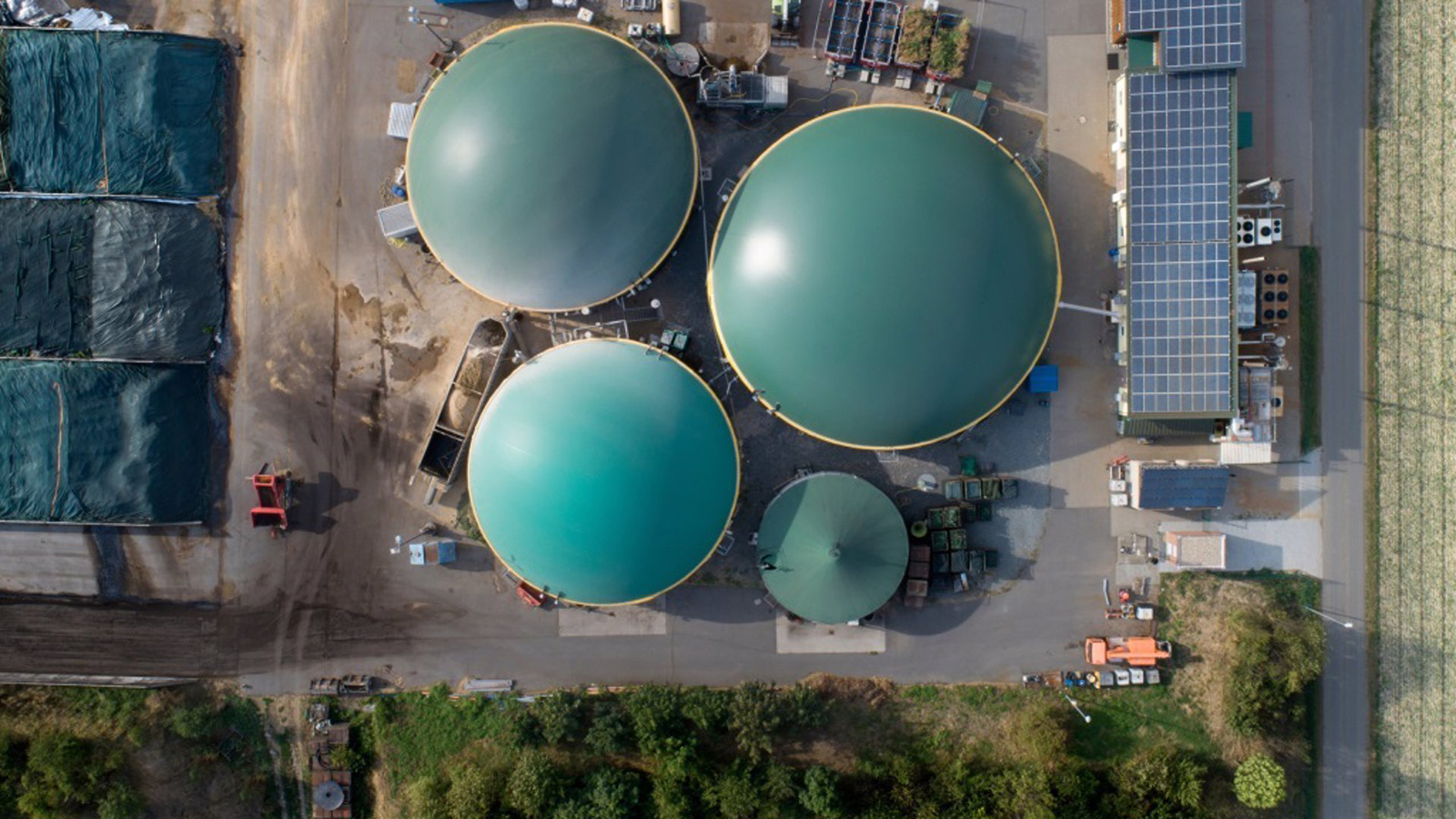
Solarig, through Biorig, develops biomethane solutions based on agricultural and livestock waste , combining renewable gas production with circular economy principles.
The same electrical units apply to other technologies. In a wind farm, for example, installed power is generally expressed in MW or GW, while generation is expressed in MWh or GWh. MWp differs because it is specifically associated with the nominal peak power of photovoltaic modules.
Understanding renewable energy power and energy units makes it possible to compare technologies without confusing installed power, energy generation, storage capacity or gas volume.
Units at a glance
FAQs about renewable energy power and energy units
What is the difference between MW and MWh?
MW measures power, while MWh measures energy accumulated over time. A system delivering 50 MW for two hours will deliver 100 MWh if it maintains that power throughout the period.
What does MWp mean in solar energy?
MWp means megawatt-peak and expresses the nominal peak power of photovoltaic modules under standard test conditions. It does not mean that the plant continuously generates that amount of power.
Are MWp and MWac the same?
No. MWp refers to the nominal peak power of the photovoltaic array, while MWac refers to alternating-current power, typically associated with inverter capacity or AC output.
What does 100 MW / 400 MWh mean for a BESS?
100 MW indicates charging or discharging power and 400 MWh indicates energy capacity. A 100 MW / 400 MWh BESS has a duration of 4 hours.
Which units are used to measure biomethane?
Biomethane can be expressed in Nm³ for volume, Nm³/h for flow rate, and MWh or GWh for energy content.
What is nominal peak power?
It is the power a photovoltaic module can deliver under standardised reference conditions and is expressed in units such as Wp, kWp or MWp.